Autophagy and Cellular Cleanup
By Charles Kamen, MD, board-certified neurologist
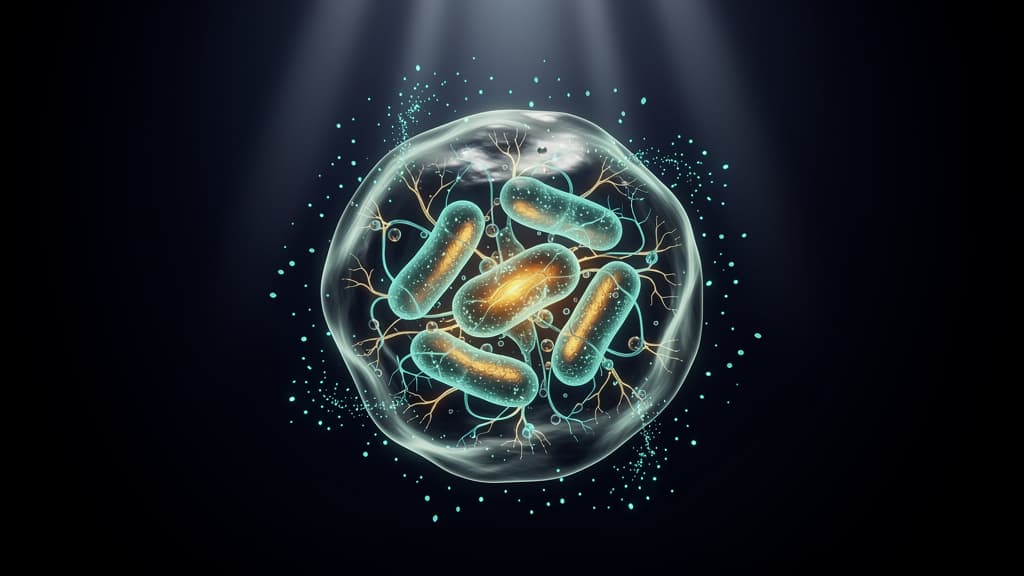
Autophagy is the body's cellular cleanup and recycling system, and it sits at the center of longevity: enhanced autophagy correlates with increased lifespan in animal models, while this same capacity declines with age. [2]
By degrading worn-out components and reusing their building blocks, autophagy keeps cells working the way they did when they were younger - the foundation of cellular health. Dr. Charles Kamen, MD, a board-certified neurologist at LiveNow Longevity in Las Vegas, works to support and optimize autophagy as part of longevity care. Individual results vary.
What Is Autophagy?
Autophagy - Greek for "self-eating" - is the process by which cells degrade and recycle their own damaged components, misfolded proteins, and even intracellular pathogens. [1]
Think of it as quality control at the cellular level: broken parts are dismantled and their raw materials are reused rather than wasted. This housekeeping runs continuously. It removes dysfunctional mitochondria through a targeted form called mitophagy, clears the protein aggregates that build up inside aging cells, and destroys bacteria and viruses that breach the cell. Together these functions make autophagy essential for cellular health and longevity.
Why Does Autophagy Matter for Longevity?
Autophagy declines with age, and that decline is now recognized as a contributor to biological aging itself. Across multiple organisms, enhancing autophagy extends lifespan, while reduced autophagic capacity tracks with the cellular damage that accumulates over a lifetime. [2]
In humans, impaired autophagy is associated with neurodegenerative disease, cardiovascular disease, metabolic dysfunction, and cancer. [4]
The through-line is simple: when cells cannot clear their own damage, that damage accumulates and drives disease. Supporting autophagy is therefore about maintaining the machinery that underlies healthy aging - looking and feeling younger as a downstream effect of healthier cells, not a cosmetic quick fix.
How Do You Activate Autophagy?
Several evidence-based inputs switch autophagy on, and most are everyday lifestyle levers rather than drugs. The common thread is a signal of mild stress or nutrient scarcity that tells cells to recycle instead of grow. The most studied activators are:
- Fasting: Protein deprivation and low-insulin states trigger autophagy initiation; fasting periods of 16-24 hours are commonly used.
- Ketosis: Elevated ketone bodies and low insulin activate autophagic pathways.
- Exercise: Acute exercise stress activates cellular cleanup mechanisms in muscle, liver, and brain.
- Sleep: Autophagy increases during deep sleep cycles.
- Polyphenols: Compounds such as resveratrol, curcumin, and quercetin activate autophagy.
Fasting and Autophagy
Fasting is the most potent autophagy activator studied. Protein restriction lowers mTOR signaling - the primary molecular brake on autophagy - so easing off that brake lets the recycling machinery ramp up. [3]
Significant activation is generally reported after roughly 24-48 hours of fasting in humans, with some activation during shorter 16-24 hour windows. Because prolonged fasting is not appropriate for everyone, Dr. Kamen may recommend intermittent or extended fasting protocols only when clinically appropriate for a given patient.
How Does Autophagy Protect Different Tissues?
Autophagy safeguards each organ in a tissue-specific way, which is why its decline can surface as such varied diseases. Every tissue leans on the same core recycling process to clear its own characteristic form of damage:
- Brain: Autophagy clears protein aggregates associated with Alzheimer's and Parkinson's disease.
- Heart: Autophagy maintains cardiac function and helps protect against ischemic injury.
- Liver: Autophagy regulates metabolic function and breaks down damaged cellular components.
- Muscle: Autophagy recycles damaged proteins and supports tissue maintenance and recovery.
Autophagy, the Brain, and Recovery (A Neurologist's View)
As a neurologist, Dr. Kamen pays particular attention to autophagy in the brain, where it clears the protein aggregates linked to Alzheimer's and Parkinson's disease before they accumulate. [4]
Neurons live for decades and cannot easily be replaced, so their reliance on efficient internal recycling is especially high - a sharper mind depends on it. The same process supports physical recovery: exercise transiently activates autophagy, and in muscle that cleanup recycles damaged proteins and helps tissue repair and adapt between training sessions. Brain maintenance and physical recovery are not separate goals - they are two visible outcomes of the same well-functioning cellular cleanup system.
Key Takeaways
- Autophagy is the body's cellular cleanup and recycling system - cells degrade and reuse their own damaged parts.
- Autophagy declines with age, and enhanced autophagy correlates with increased lifespan in animal models.
- Fasting is the most potent autophagy activator studied; significant activation is generally reported after about 24-48 hours, with some activation during 16-24 hour fasts.
- Exercise, deep sleep, ketosis, and polyphenols such as resveratrol, curcumin, and quercetin also support autophagic activity.
- Impaired autophagy is associated with neurodegenerative, cardiovascular, and metabolic disease.
- Dr. Kamen optimizes - not maximizes - autophagy within personalized longevity protocols.
Common Questions
How long do I need to fast to activate autophagy?
Research suggests autophagy becomes significantly activated after roughly 24-48 hours of fasting in humans, with some activation during shorter 16-24 hour fasts. The exact threshold varies with the individual, activity level, and prior diet, so Dr. Kamen tailors fasting length to each patient rather than applying one fixed number. Individual results vary.
Can supporting autophagy help me look younger and age more slowly?
Autophagy supports looking and feeling younger from the inside out, not cosmetically. By clearing damaged proteins and worn-out mitochondria, it helps keep cells functioning as they did when younger, and its age-related decline is tied to biological aging. Supporting healthy cellular maintenance is the durable, health-first path, and individual results vary.
Does exercise trigger autophagy?
Yes. Acute exercise stress activates autophagy in muscle, liver, and brain tissue, prompting cells to recycle damaged components. Regular training appears to have cumulative benefits for these cleanup mechanisms, which is one reason exercise supports both recovery and long-term cellular health. It is among the most accessible autophagy activators available.
Can supplements or peptides increase autophagy?
Certain compounds - including resveratrol, curcumin, and quercetin - have been shown to activate autophagy in research settings, and some peptides that engage cellular-repair pathways may support it as well. Dr. Kamen recommends supplements or peptide therapy only when clinically appropriate and individualized, never as a substitute for fasting, exercise, and sleep.
Is more autophagy always better?
No. Excessive or dysregulated autophagy can itself be harmful, so the clinical goal is to optimize autophagic activity, not maximize it. Dr. Kamen uses appropriate lifestyle interventions - fasting, exercise, and sleep - to support balanced cellular cleanup, and monitors each patient individually rather than pushing for extremes.
Does sleep affect autophagy?
Yes. Autophagy increases during deep sleep, so consistent, high-quality sleep directly supports the brain's overnight cellular cleanup. As a neurologist, Dr. Kamen treats sleep as a core longevity intervention, since poor sleep undermines the recycling processes that protect neurons and help maintain daytime energy and cognitive sharpness.
Supporting autophagy is a fundamental component of longevity optimization - the cellular maintenance that underlies healthy aging, sharper cognition, and better recovery. Consult with Dr. Kamen to develop a personalized autophagy-supporting protocol including fasting, exercise, and targeted interventions.
References
- Mizushima N, Yoshimori T, Ohsumi Y. The role of Atg proteins in autophagosome formation. Cell. 2011;147(4):728-741.
- Klionsky DJ, et al. Autophagy. 2025;21(1):1-305.
- Mattson MP. Nat Metab. 2025;7(4):665-678. (The cyclic metabolic switching theory of intermittent fasting).
- Levine B, Kroemer G. Cell. 2019;176(1-2):11-42. (Biological functions of autophagy genes: a disease perspective).
Have a question about your situation?
Bring your questions and recent history to board-certified neurologist Dr. Charles Kamen, MD. The evaluation is $88 and is applied toward your protocol if you continue care.